قهوه در مقابل چای
قهوه در مقابل چای | چگونه قهوه، سنت چند صد ساله چای ایران را به چالش میکشد
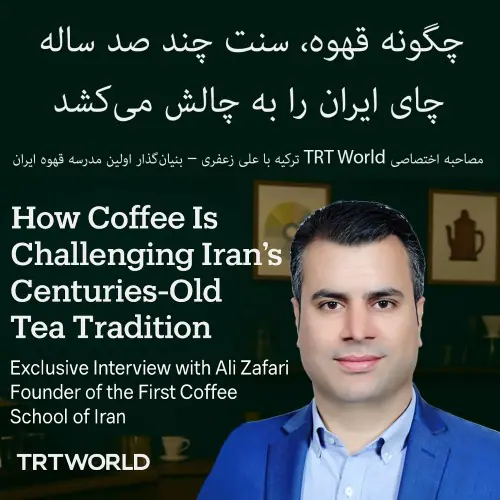
مصاحبه اختصاصی TRT World با علی زعفری – بنیانگذار اولین مدرسه قهوه ایران
سؤال ۱ | تغییر ذائقه ایرانیها از چای به قهوه
پرسش: آقای زعفری، چرا ایرانیها در سالهای اخیر بیشتر به قهوه علاقهمند شدهاند؟
پاسخ:
گرایش ایرانیها به مصرف قهوه یک تغییر ناگهانی نبوده، بلکه مسیری تدریجی است که در دو دهه اخیر، بهویژه طی هفت تا هشت سال گذشته، با سرعت بیشتری پیش رفته است.
دلایل اصلی رشد عبارتند از:
تغییر سبک زندگی و جهانیشدن: نفوذ رسانهها و شبکههای اجتماعی، بهویژه آموزشگاهها و اساتید بینالمللی، الگوی مصرف جهانی را به ایران منتقل کردند. افزایش ساعات کاری و نیاز دانشجویان و شاغلان به تمرکز نیز باعث شد قهوه بهعنوان نوشیدنی انرژیزا جایگاه ویژهای پیدا کند.
رشد فرهنگ کافهنشینی: افزایش چشمگیر تعداد کافهها، این فضاها را به پایگاه اصلی معرفی قهوه تبدیل کرد. برآوردها نشان میدهد تا آخر سال ۱۴۰۴ حدود ۳۰ هزار کافه در ایران فعال خواهند بود.
نقش مراکز آموزشی:
استانداردسازی و حرفهایسازی: آکادمیهای تخصصی مانند اولین مدرسه قهوه ایران موجب ارتقای آگاهی و کیفیت در صنعت قهوه شدهاند.
تربیت نیروی متخصص: تنها مدرسه قهوه ایران تاکنون بیش از ۳۵ هزار هنرجو را آموزش داده است که پشتوانهای قدرتمند برای توسعه این صنعت محسوب میشود.
در نتیجه، مصرف قهوه در ایران از یک عادت محدود به یک فرهنگ عمومی تبدیل شده و امروز نهتنها بُعد اجتماعی بلکه اقتصادی و صنعتی نیز یافته است.
سؤال ۲ | چایخانهها در برابر کافیشاپها
پرسش: با وجود تاریخ و جایگاه فرهنگی چای در ایران، چرا نسل جدید بیشتر به کافیشاپها جذب میشود؟
پاسخ:
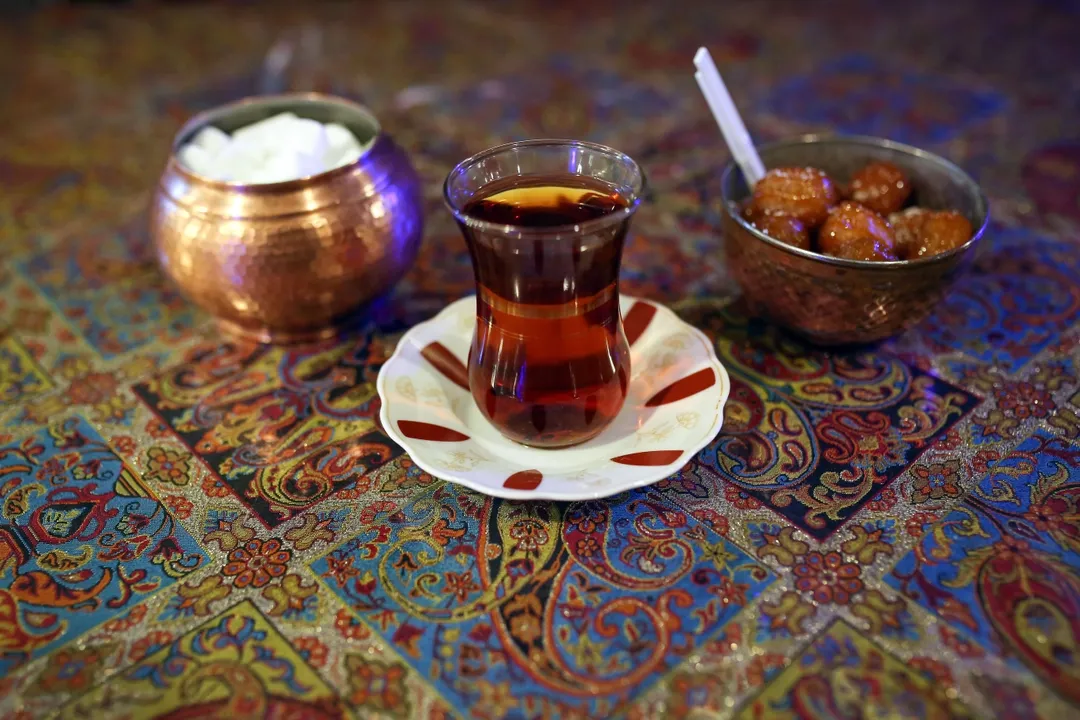
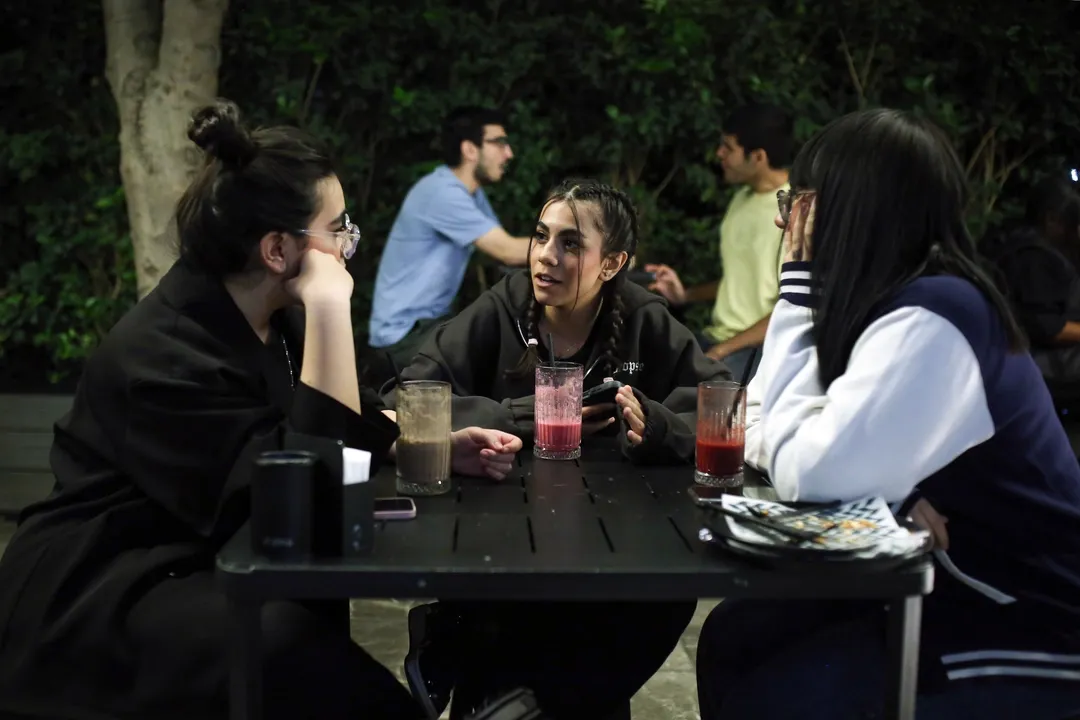
چایخانهها بخشی از میراث فرهنگی ایران هستند، اما در جذب نسل جدید موفق نبودهاند. جوانان امروز به دنبال فضاهای چندمنظوره و مدرن هستند. کافیشاپها با ارائه اینترنت، موسیقی، منوی متنوع و طراحی امروزی، محیطی متناسب با نیازهای تحصیلی، کاری و اجتماعی فراهم کردهاند.
در مقابل، چایخانهها اغلب در همان الگوی سنتی باقی ماندهاند. همچنین فضای بسیاری از آنها مردانه بوده و حضور بانوان یا ممکن نبوده یا راحتی و امنیت کافی نداشته است؛ در حالی که کافیشاپها محیطی برابر و اجتماعی برای زنان و مردان فراهم کردهاند.
جوانان ایرانی به دنبال نفی سنت نیستند، بلکه خواهان بازتعریف آن هستند. اگر چایخانهها با نوسازی منو، دکور و خدمات خود، فضایی بازتر و متنوعتر ایجاد کنند، همچنان ظرفیت جذب نسل جدید را دارند.
سؤال ۳ | آمار مصرف و واردات قهوه در ایران
پرسش: وضعیت مصرف قهوه در ایران چگونه است؟
پاسخ:
سرانه مصرف قهوه در ایران حدود ۶۰۰ گرم در سال است؛ عددی که هنوز با کشورهای اروپایی و ترکیه فاصله دارد، اما رشد آن چشمگیر است.
ایران سال گذشته حدود ۵۰ هزار تن قهوه سبز بهصورت رسمی وارد کرده است، اما حجم واقعی مصرف با احتساب واردات غیررسمی و قهوه فوری، بهمراتب بالاتر است.
این رشد مصرف و واردات، علاوه بر بُعد فرهنگی، فرصتهای اقتصادی قابلتوجهی ایجاد کرده است: از رونق رُستریها و آموزشگاهها گرفته تا افزایش فروش تجهیزات و توسعه کافیشاپها.
سؤال ۴ | ورود قهوه به خانههای ایرانی
پرسش: آیا مصرف قهوه در خانهها هم افزایش یافته است؟
پاسخ:
بله، در سالهای اخیر، بسیاری از خانوادهها دستگاه قهوهساز را جایگزین سماور کردهاند.
نکات مثبت:
افزایش آگاهی درباره کیفیت و روش دمآوری.
ایجاد بازار جدید برای تجهیزات خانگی و رُستریهای داخلی.
گرایش مصرفکنندگان به قهوههای تازهبرشت بهجای قهوه فوری.
نکات منفی:
هزینه بالای تجهیزات و مواد اولیه.
عدم آگاهی کافی در استفاده صحیح از دستگاهها.
احتمال کاهش مشتری برای کافههایی که تجربه متمایز ارائه نمیکنند.
با این حال، چای همچنان نوشیدنی هویتبخش ایرانیان باقی خواهد ماند. اتفاقی که میافتد حذف سنت نیست، بلکه تنوع در ذائقه ایرانی است.
سؤال ۵ | فرصتهای اقتصادی صنعت قهوه
پرسش: گسترش کافیشاپها چه تأثیری بر اقتصاد ایران گذاشته است؟
پاسخ:
افزایش مصرف قهوه فرصتهای اقتصادی فراوانی ایجاد کرده است. در سال گذشته حدود یک میلیارد دلار گردش مالی در صنعت قهوه و کافیشاپهای ایران رقم خورده است.
کل زنجیره ارزش قهوه – از واردات دانه و تجهیزات تا رُستینگ، آموزش و فروش محصولات جانبی – فعال شده است. ظهور مدلهای نوآورانه مانند کافهنان، کافهبازی، کافهکتاب و کافهسیار نشاندهنده آمادگی بازار برای ایدههای خلاقانه است.
همچنین، کافههای تخصصی و رُستریهای کوچک میتوانند برندهای ایرانی با قابلیت صادرات منطقهای و بینالمللی بسازند. با این حال، نوسانات ارزی و اقتصادی نیاز به مدیریت دقیق دارند.
در نهایت، سرمایهگذاری در آموزش نیروی انسانی، استانداردسازی خدمات و تمرکز بر تجربه مشتری، کلید موفقیت بلندمدت صنعت قهوه ایران خواهد بود. | قهوه در مقابل چای
منبع | TRT WORLD
🇮🇷 How Coffee Is Challenging Iran’s Centuries-Old Tea Tradition
Exclusive Interview with Ali Zafari – Founder of the First Coffee School of Iran
Source: TRT World Turkey

Question 1 | A Gradual Shift in Iranian Taste
Question: Mr. Zafari, what explains the growing interest of Iranians in coffee consumption?
Answer:
The shift toward coffee in Iran has not been sudden; it has evolved gradually over the past two decades, particularly accelerating during the last seven to eight years.
The main reasons behind this growth include:
Lifestyle change and globalization: Through media, social networks, and the influence of international trainers and academies, global consumption patterns have entered Iran. Longer working hours and the need for focus among students and professionals have also made coffee a preferred energy-boosting beverage.
The rise of café culture: The increasing number of coffee shops has transformed these venues into cultural hubs where coffee is introduced and experienced. By 2025, it is estimated that around 30,000 cafés will be operating across Iran.
Educational impact:
Standardization and professionalism: Specialized academies such as The First Coffee School of Iran have played a key role in improving awareness and quality within the coffee industry.
Training professionals: This institution alone has trained more than 35,000 students, providing a strong foundation for the country’s growing coffee sector.
As a result, coffee consumption in Iran has evolved from a niche habit to a mainstream cultural trend, gaining social, economic, and industrial dimensions.
Question 2 | Tea Houses vs. Coffee Shops
Question: Tea houses have deep cultural roots in Iran. Why are young Iranians more attracted to coffee shops?
Answer:
Traditional tea houses remain a part of Iran’s cultural heritage, yet they have struggled to attract the younger generation. Today’s youth are looking for multifunctional, modern spaces. Coffee shops, offering internet access, music, diverse menus, and contemporary design, meet social, educational, and work-related needs.
In contrast, most tea houses have remained traditional and male-dominated, making them less appealing or comfortable for women. Coffee shops, however, have created inclusive and social spaces for both men and women—reflecting a broader social shift away from old patriarchal norms.
Young Iranians are not rejecting tradition; they are redefining it. If tea houses modernize their menus, designs, and services, they still hold potential to attract the new generation.
Question 3 | Coffee Consumption and Import Trends
Question: What is the current level of coffee consumption in Iran?
Answer:
Iran’s annual per capita coffee consumption is estimated at around 600 grams. Although this is far below the several kilograms consumed annually in Europe or Turkey, the growth rate is remarkable.
Official data show that Iran imported approximately 50,000 tons of green coffee last year. However, this number excludes informal imports and the significant portion of instant coffee consumed nationwide. The actual volume of coffee consumption is therefore much higher.
This rapid growth has not only cultural but also economic implications, creating opportunities for roasteries, training centers, equipment suppliers, and coffee shop businesses. Coffee is no longer seen as a luxury or imported novelty—it has become part of everyday Iranian life.
Question 4 | Coffee at Home: A New Lifestyle
Question: Has home coffee consumption increased in recent years?
Answer:
Yes, significantly. A decade ago, coffee was mostly consumed in cafés, but today many Iranian households own coffee machines instead of samovars.
Positive outcomes:
Growing awareness about brewing methods and coffee quality.
Expanding markets for home equipment and domestic roasteries.
A shift from instant coffee toward freshly roasted, high-quality beans.
Challenges:
High equipment and ingredient costs.
Lack of user knowledge in proper brewing techniques.
Potential decline in café customers if cafés fail to provide a distinct experience.
Tea still represents the deepest cultural bond among Iranians and will never disappear. What we are witnessing is not replacement, but diversification of taste. Coffee adds variety and energy to daily life while tea retains its symbolic and emotional role.
Question 5 | Coffee as an Economic Opportunity
Question: How has the growth of the coffee scene affected Iran’s economy?
Answer:
The expansion of coffee consumption and café culture has created multiple economic opportunities. In the past year alone, the Iranian coffee and café industry generated an estimated $1 billion in turnover.
This growth has activated the entire coffee value chain—from importing beans and equipment to roasting, barista training, and café management.
Emerging hybrid business models such as bakery cafés, board-game cafés, book cafés, and mobile cafés highlight the market’s readiness for innovation.
Small specialty roasteries and coffee brands have the potential to build Iranian names with regional or international reach. However, economic fluctuations and currency volatility remain major challenges.
In the long term, investing in human capital, standardizing service quality, and prioritizing customer experience will be the keys to sustainable success in Iran’s coffee industry.
 منابع و مراجع
 یادگیری حرفهای دنیای قهوه از اینجا شروع میشه!
اگر صاحب کافه، باریستا یا عاشق قهوه هستید،
مدرسه قهوه ایران، با بیش از 35 سال سابقه، جاییه که از پایه تا تخصص، هرآنچه باید درباره قهوه بدونی رو آموزش میده.
 آموزش باریستا، لاتهآرت، دمآوری، رُست، میکسولوژی و…
 مدرک معتبر با تایید فنیوحرفهای شعبه فعال در تهران، اصفهان، مشهد، کرج و سایر شهرها
مشاهده دورهها و ثبتنام در مدرسه قهوه ایران